A flat tire is a common and frustrating situation that can happen at any time, leaving you stranded on the side of the road. Whether you’re on your way to work, running errands, or heading on a road trip, dealing with a flat tire can be stressful. While waiting for help, it’s important to know how to stay safe and manage the situation. This blog will guide you through the best practices for handling a flat tire safely until help arrives, ensuring you remain calm and protected while waiting for assistance. From making your vehicle visible to staying out of harm’s way, these tips will help you handle the situation with confidence and care.
Stay Calm and Assess the Situation
The first step in handling a flat tire is to stay calm. Panicking will only make the situation worse. Take a few deep breaths and focus on what you need to do next. Begin by assessing the situation: Where are you? Are you on a busy highway or a quiet road? Is there enough space for you to safely stay inside the vehicle, or should you exit? By calmly analyzing your surroundings, you’ll be able to make informed decisions and take the necessary steps to stay safe.
Make sure to check the condition of the tire and confirm that it is indeed flat. Sometimes, a loss of tire pressure may cause the vehicle to handle poorly, making it feel like you have a flat when you might not. However, if the tire is visibly flat or you’re having difficulty controlling the vehicle, you likely have a puncture or leak.
Secure Your Safety by Parking Correctly
Your safety is the most important factor when dealing with a flat tire. If you’re driving on a busy road, make sure to pull over to a safe spot. Try to move your vehicle to the shoulder or an area far enough from traffic to minimize the risk of accidents. If you can’t safely pull over, stay inside the vehicle with your seatbelt on and wait for help.
Make your vehicle as visible as possible. Turn on your hazard lights immediately, especially if you’re on the highway or in a location with low visibility. If it’s dark or the weather conditions are poor, it’s a good idea to keep your headlights on as well.
If you have road flares or warning triangles in your car, set them up at least 100 feet behind your vehicle to give approaching drivers plenty of time to react. This will make sure you are visible to other drivers and help prevent any accidents while you wait for assistance.
Keep Your Distance from Traffic
When you realize you have a flat tire, it’s important to stay away from moving traffic. If you’ve safely pulled over to the side of the road, exit your vehicle only if you are in a secure location where the risk of traffic accidents is minimal. For example, if you’re stopped on a highway, it’s best to stay inside your car with your seatbelt on, unless you’re in imminent danger.
If you do decide to exit the vehicle, move quickly and carefully to a safe area, such as the far side of the vehicle. Be sure to stay well away from traffic and avoid standing near the front or rear of the car, as other drivers might not notice you. Stay alert and keep a watchful eye on your surroundings, especially during rush hours or bad weather, when visibility is poor.
Avoid Attempting Repairs on Your Own
If you’ve experienced a flat tire, it might be tempting to try and fix it yourself, especially if you have a spare tire and tools in your car. However, it’s important to avoid attempting repairs if you don’t have experience or if you’re in a dangerous location.
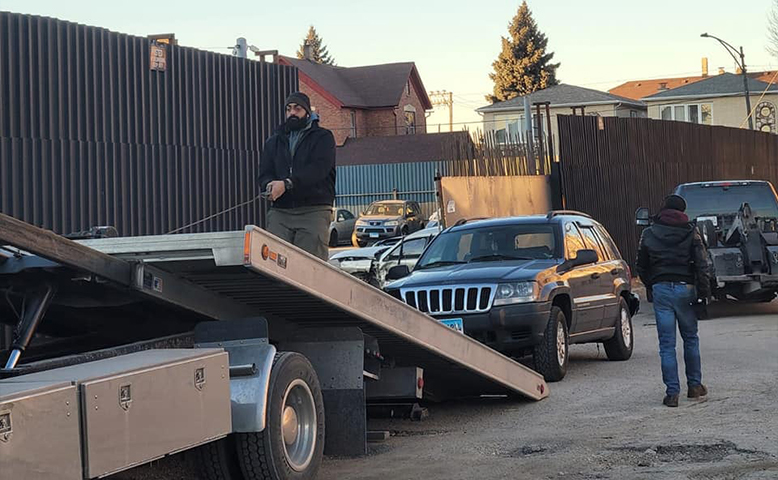
Changing a tire in the middle of the road, especially in high-traffic areas, can put you at risk of accidents. In situations like these, it’s always safer to wait for professional help from a towing service like Gold Eagle Towing, which offers roadside assistance.
Gold Eagle Towing has experienced professionals who can quickly and safely take care of your flat tire without compromising your safety. They will ensure that your vehicle is properly handled, saving you the stress of attempting a potentially dangerous repair on your own.
Use Your Phone for Assistance
Once you’re in a safe spot, it’s time to call for help. If you have access to a phone, use it to contact a roadside assistance service or your insurance company. Gold Eagle Towing offers fast and reliable roadside assistance, helping you get back on track quickly.
When calling for help, provide the operator with key details about your location. Give them your exact location, including any road names, mile markers, or landmarks, to make it easier for the tow truck driver or roadside assistant to find you. If you’re on a highway or a busy road, be clear about which direction you’re traveling and which side of the road you’re on.
In some cases, your insurance provider may offer roadside assistance as part of your policy. If so, give them a call and follow their instructions. If you’re unsure about what to do next, don’t hesitate to ask for guidance on the best steps to take while you wait for help.
Stay Inside Your Car in Hazardous Conditions
If the weather is bad or you’re parked on a busy highway, it’s often safest to stay inside your car while waiting for help. Your car provides a protective barrier between you and any potentially dangerous situations outside.
If it’s safe to do so, leave your hazard lights on and keep your phone nearby so you can stay updated on the arrival of help. Avoid stepping outside of the vehicle unless absolutely necessary. The only time you might need to leave the car is if there’s a threat of fire or if you are in an area with extreme weather conditions.
In the event of a serious weather emergency, like heavy rain or snow, it’s best to stay put and wait for professional help. Gold Eagle Towing is available around the clock to assist drivers, even in tough conditions.
Check for Roadside Assistance Tools in Your Vehicle
Many vehicles come with roadside assistance tools like a spare tire, jack, and tire iron. If you feel confident and the location is safe, you might be able to change the tire yourself. However, it’s crucial to assess your abilities before proceeding. If you don’t have the right tools or aren’t familiar with how to change a tire, it’s best to wait for a professional.
Some vehicles also include an emergency kit with basic supplies like gloves, a flashlight, and first aid items. These tools can be helpful if you need to wait for a long period or if the weather is severe. If you don’t have a roadside assistance kit in your vehicle, it might be a good idea to invest in one for future emergencies.
Conclusion
A flat tire is a frustrating situation, but staying calm and making smart decisions will ensure your safety. By pulling over to a safe location, making your car visible to others, and avoiding trying to fix the tire yourself, you can prevent accidents and unnecessary stress. Call a professional like Gold Eagle Towing for quick and reliable roadside assistance, and stay safe while you wait for help. Whether you’re on the road for business or leisure, you can count on Gold Eagle Towing to provide the support you need. Call now for fast and reliable service.